KämDämBlā
A House of the Iyami Ifa.
We are here for the Meek! It's Inheritance Time!
Yoruba: "Aboru aboye abosise."
English Translation: "May the sacrifice be accepted, may it manifest, and may it accomplish its purpose."
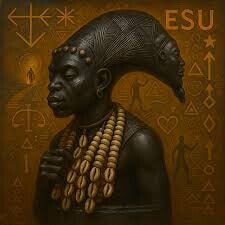
Historical Origin of the Dahomey Protectors
The Abomey Plateau Emergence: The Kingdom of Dahomey (modern-day Republic of Benin) arose in the 17th century, developing a highly centralized, militaristic, and deeply spiritual society.
The Agojie / Mino (The Blueprint): The elite "Royal Guard" protectors—historically known as the Mino ("Our Mothers") or Agojie—began as elite elephant hunters before transitioning into the king's sacred palace guards and frontline shock troops.
Sacred Marital Bond: Legally designated as Ahosi (wives of the King), they were consecrated to the Crown. This status effectively removed them from standard societal expectations, transforming them into full-time, state-sanctioned spiritual and physical weapons.
The Iyami Ifa Aje Society (Real-World History) The Iyami Àjé (often translated as "My Mothers" or "The Elders of the Night") are the custodians of the primordial feminine energy of creation and justice in Yoruba spirituality.
Origins & Cosmic Power: According to Yoruba cosmology (specifically Odu Ifa), the universe could not be successfully established by male immortals until the female divinities (led by the goddess Ọṣun) were included.
They are the earthly and spiritual regulators of balance, capable of bringing abundance, wealth (Aje), and discipline, but fiercely punishing injustice and social transgressions.
Societal Role: Historically, the women’s society held tremendous political, economic, and judicial power. They oversaw the marketplace (the economic heart of Yoruba towns) and were responsible for validating a king's rule. All the king’s authority was tied to his crown, which only the Iyaami had the power to bestow.
The Impact of Colonization & Misconceptions: Western colonizers and patriarchal influences frequently demonized the Iyami Àjé, mistranslating "Aje" as "witches" with malevolent connotations. In reality, while their power is awe-inspiring and formidable, they primarily exist to maintain cosmic and societal harmony.
Preservation: To honor their power, appease their wrath, and ensure cosmic balance, the Yoruba traditionally celebrate the Gelede festival. During these masquerades, communities use music, dance, and art to thank the Iyami for their protection
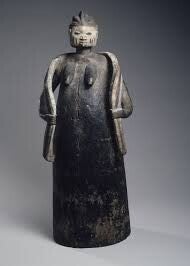
Elite Status as Protectors of the Vodún-Iyami-Ifá Paradigm

About us
KämDämBlā is a deeply nature-based and communal spiritual tradition centered on maintaining cosmic balance. Rather than following a written code of dogma or strict religious laws, practitioners are guided by fluid philosophical practices, respect for ancestors, and a moral code focused on harmony with the natural world.
Core traditional rules and philosophical tenets include:
- Reciprocity and Respect: There is a consensus among practitioners that humans must maintain balance with both visible and invisible forces. Respect is central, and nothing is given for free. Devotees offer gratitude, prayers, and food to the spirits (Lwa or Vodún) and ancestors in exchange for protection, health, and good fortune.
- Ancestor Veneration: Respecting and honoring the dead is mandatory. Ancestors are viewed as spiritual guides whose presence is invited into the physical world through rituals, song, and dance.
- Community and Healing: KämDämBlā is inherently a practical, life-affirming religion. Its core focus is sustaining the community of self and individuals by seeking healing, guidance, and empowerment.
- Initiation and Hierarchy: For those looking to become spiritual leaders (such as a Houngan for priests or Mambo for priestesses), the tradition involves formal initiation. This process requires learning secret languages, dances, and adhering to strict diets and long-term obligations to the spirits.
- Ritual Offerings and Possession: Ceremonies often involve music, dancing, drumming, and offerings. During possession trances, spirits "mount" practitioners to communicate, give supernaturally inspired advice, and perform medical cures. Animal sacrifice is practiced in various traditions as a way to provide spiritual sustenance to the spirits and maintain human-spirit relationships.
- Syncretism: Because of forced conversion during colonization, many traditional practitioners in the Americas combine Vodou with Roman Catholicism. Many practitioners find no contradiction in practicing both simultaneously, identifying saints with specific African spirits or Elohim.
"We are Christ Unity Consciousness
A Gnostic Christianity Priesthood Community."
The revelation to John supports Matthew 8:11, which says that many will come from every corner of the earth to sit with Abraham, Isaac and Jacob. The 144,000 that were sealed or chosen are not pre-chosen.”
Orunla Anu